Centuries of gathering
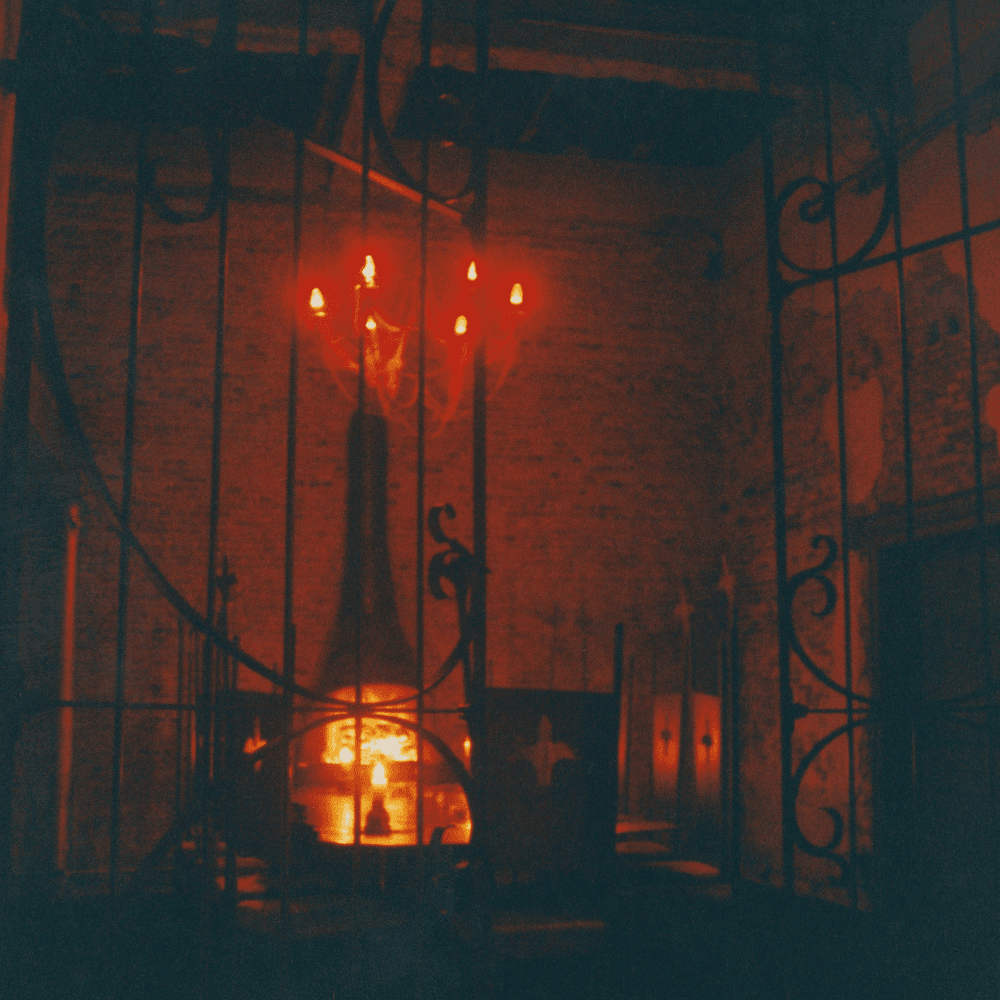
The building at Verversrui 15 has welcomed people for centuries. From the 16th-century Falcontinnen nuns to its sacred church walls, its history is woven deep into Antwerp’s Schipperskwartier.
Dancehall legacy
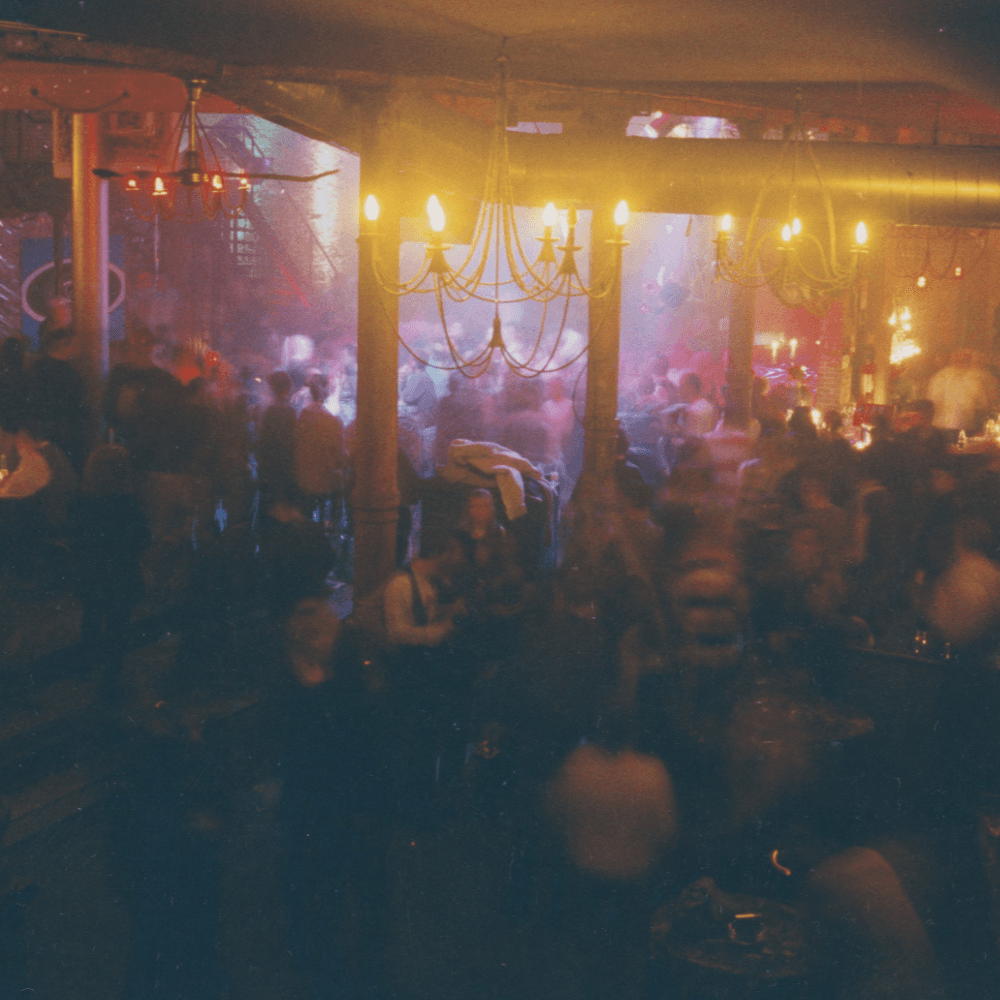
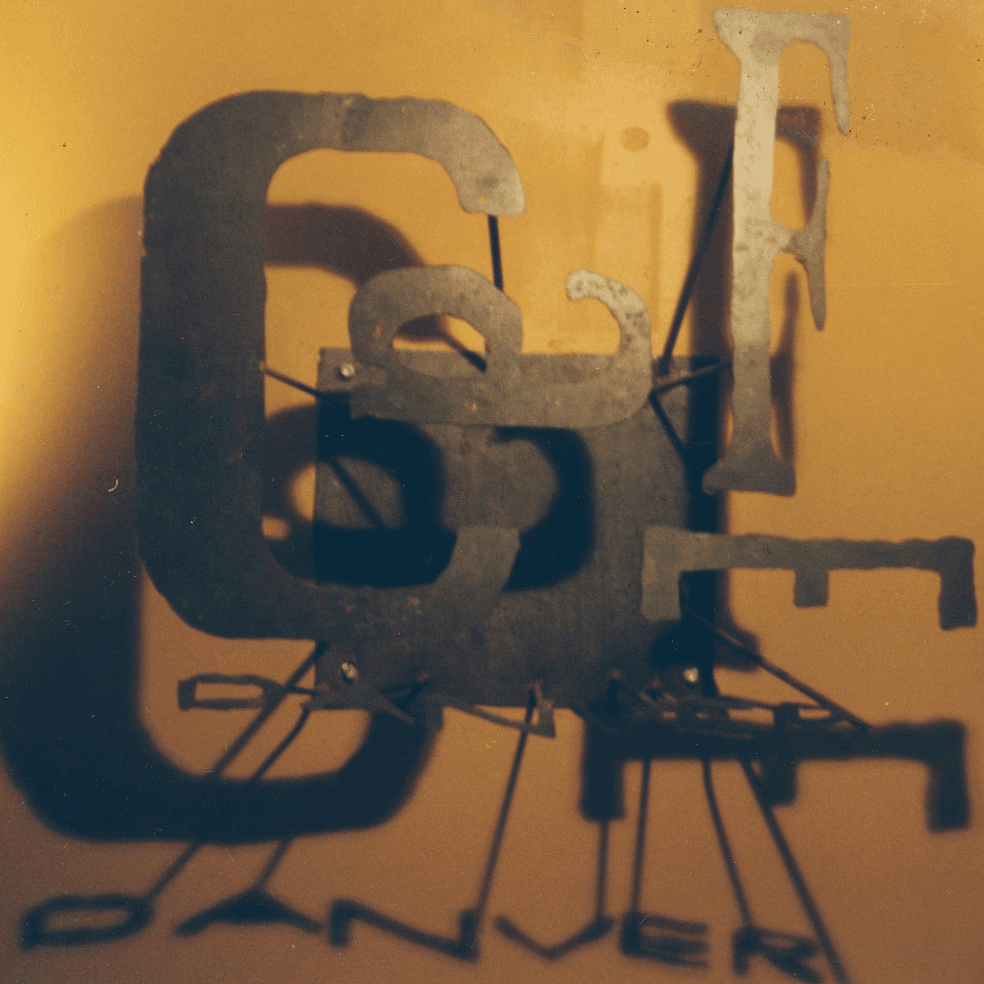
By 1900, ‘Lucifer’ and then ‘De Zwarte Kat’ became legendary dance halls. Sailors and night-owls flocked to lose themselves on the iconic dancefloor.
Cinema & bumper cars
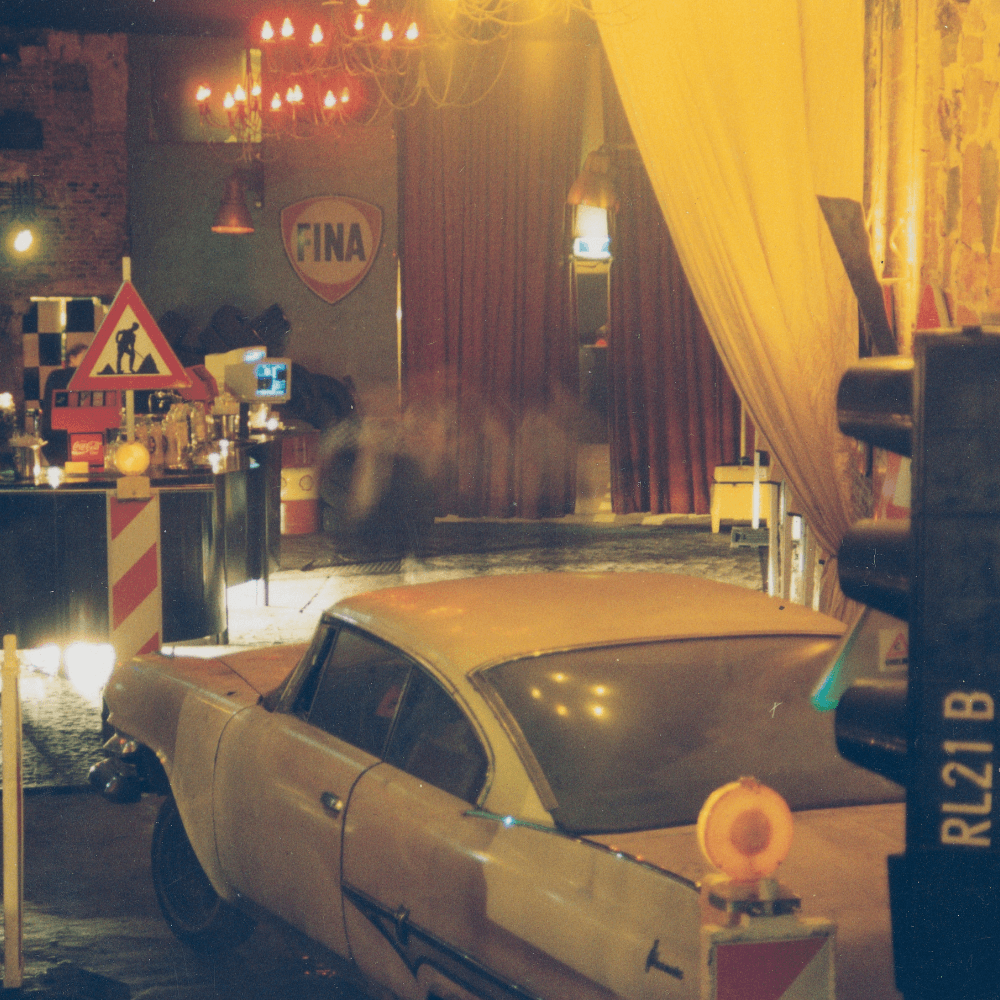
The 1930s brought Cinema Poccardi and later Cinema Ritz, before becoming Mobil-Ritz in the 1970s. Nights out mixed movies and bumper cars in true Antwerp style.
Birth of Café d’Anvers
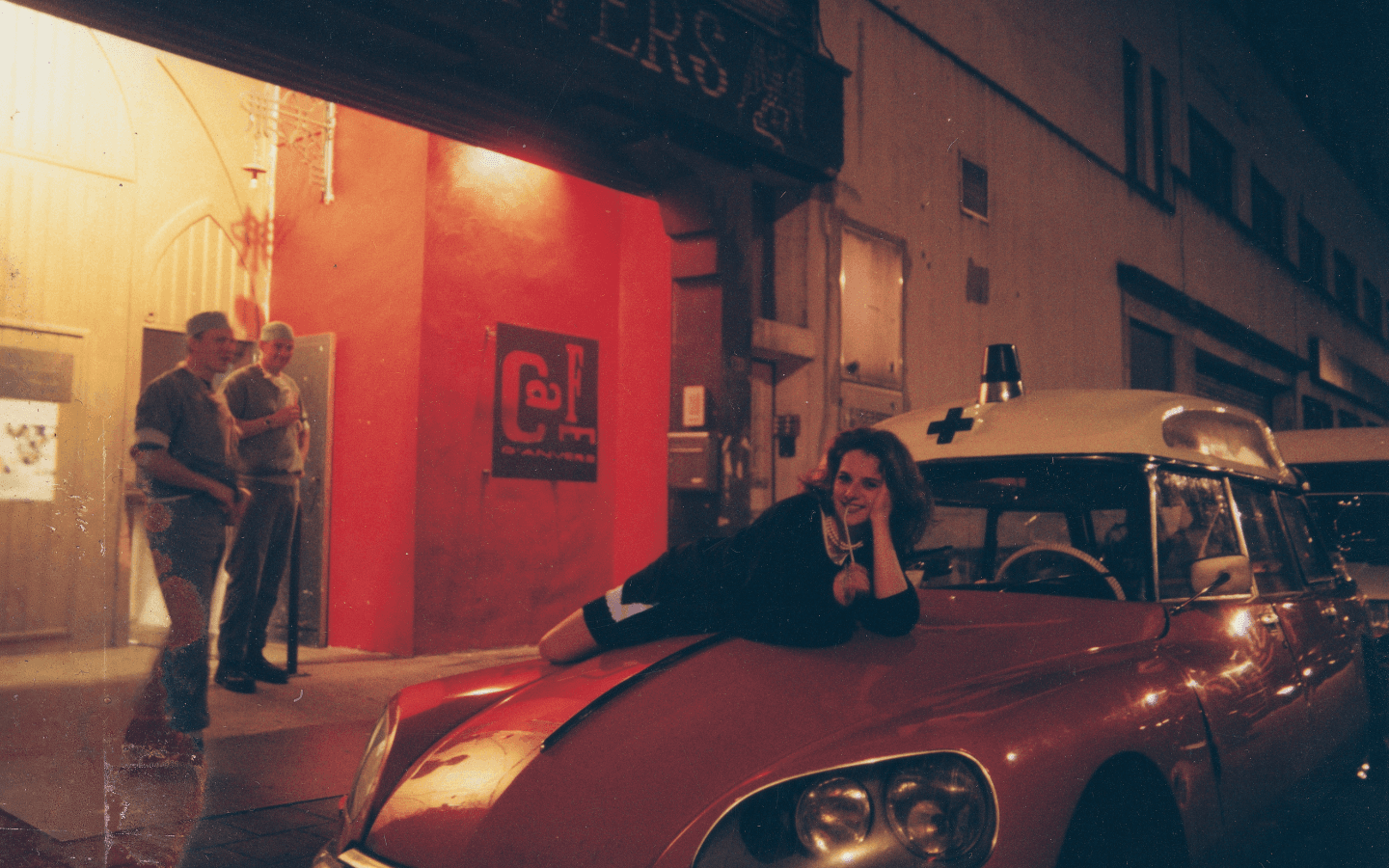
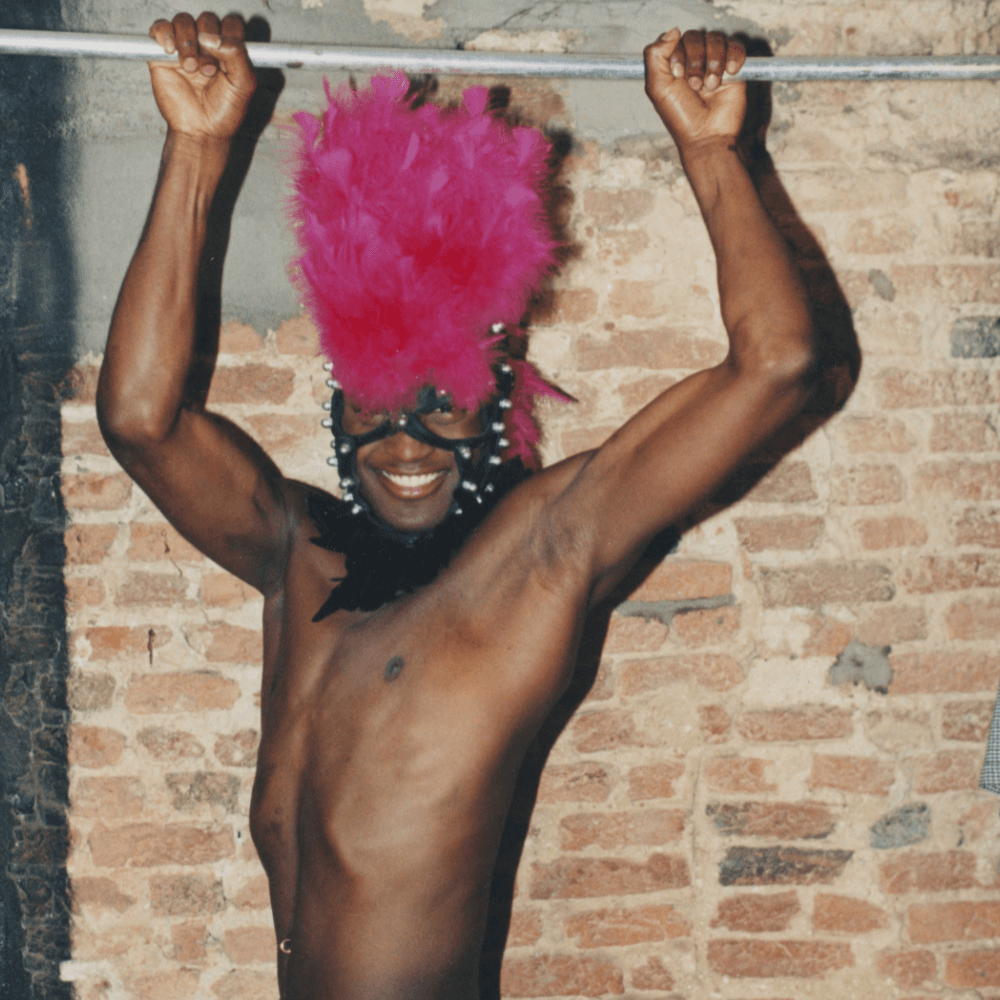
In 1989, Café d’Anvers launched at the height of acid house, standing out as a high-fashion club with strict entry policies. Its founders—fashion designer, photographer, and architect—shaped an exclusive nightlife experience for Antwerp’s social elite.
This changed in 1991, when Pim de Rhoodes took over and opened the doors to all. Instantly, the club’s energy shifted from chic runway vibes to fierce, underground house music that would define an era.
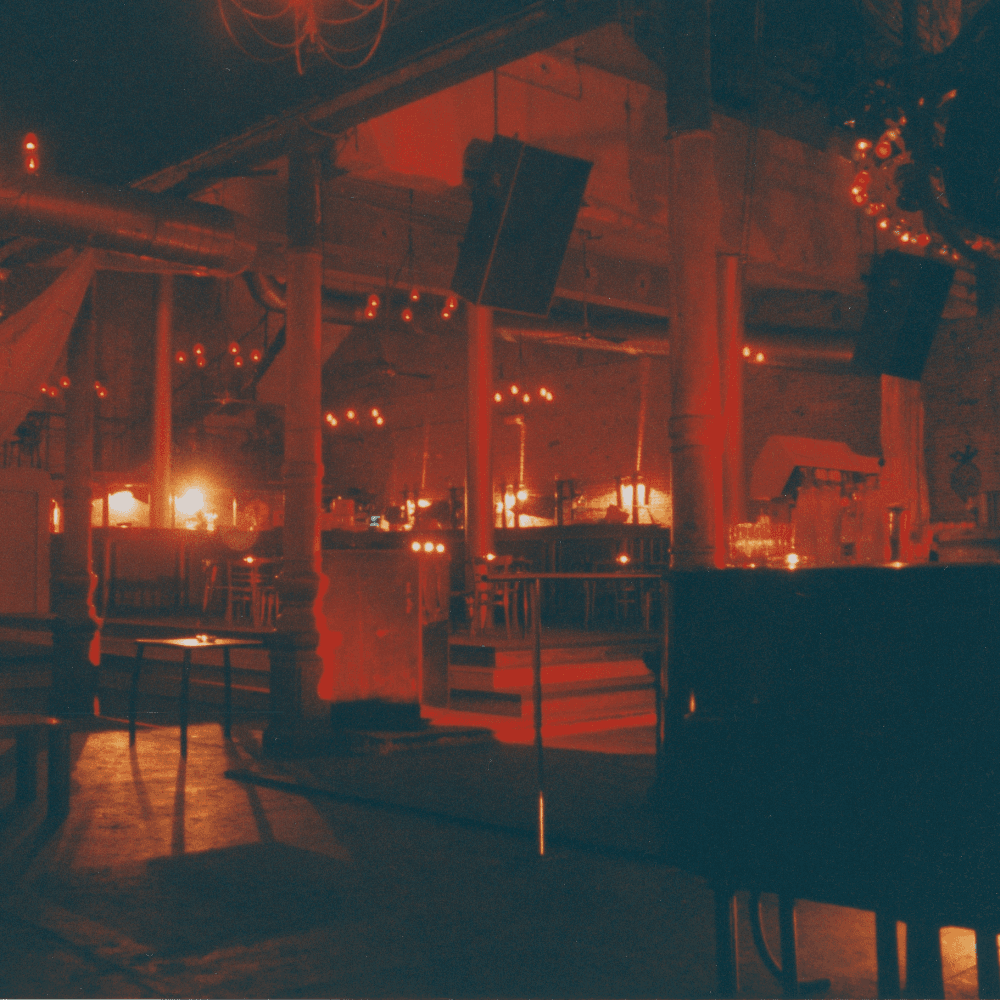
The blend of church walls, red-light district energy, and blazing dancefloor lights created an atmosphere that was impossible to imitate. Café d’Anvers became the beating heart of Belgium’s nightlife.
Legendary nights & global recognition
For three decades, the club booked resident DJs and international stars Sven Väth, Laurent Garnier, Luciano, Jamie Jones, and Marco Carola, to name a few. Legendary Saturday nights became its trademark.
Café d’Anvers earned five consecutive years in DJ Mag’s Top 100 Clubs, hosted Belgian residencies for CircoLoco and Cocoon, and even ran its own stage at Tomorrowland. It was more than a nightclub; it defined Belgium’s electronic scene.
In April 2019, just ahead of its 30th anniversary, the club closed its doors — a shock for fans across Europe. Yet, the spirit endures. Today, Café d’Anvers lives on, bringing that iconic energy back to Antwerp.